

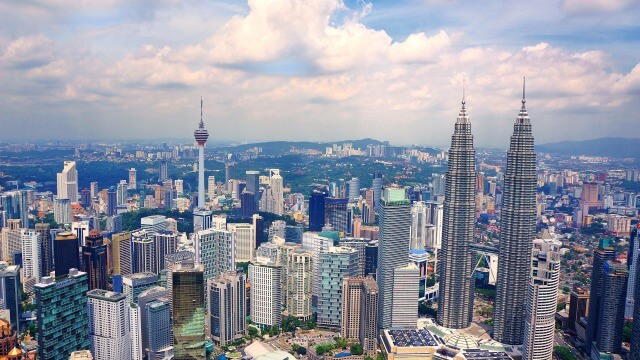
Rejseforsikring til Malaysia
En rejseforsikring giver dig tryghed på din rejse til Malaysia, så du kan slappe af og nyde dit eventyr!
Køb en rejseforsikring her >
Oversigt
Hovedstad: Kuala Lumpur (indb. 8,622 millioner)
Indbyggertal: 35.977.838 (est. 2025)
Andre byområder: Johor Bahru (indb. 1,086 millioner); Ipoh (indb. 857.000)
Religioner: Muslim 61,3 %, buddhist 19,8 %, kristen 9,2 %, hindu 6,3 %, konfucianisme, taoisme, andre traditionelle kinesiske religioner 1,3 %
Sprog: Bahasa Malaysia, engelsk, kinesisk, tamil, telugu, malayalam, panjabi, thai; bemærk: Malaysia har 134 levende sprog
Tidszone: UTC+8
Kørselsretning: Venstre
Opkaldskode: +60
El-stik: Type A, Type C, Type G og Type M
Penge
Den lokale valuta i Malaysia er ringgit (MYR). Pr. 20. oktober 2026 svarer 100 MYR til 24,49 USD.
Valutaveksling kan foretages i lufthavne, banker, vekselkontorer og hoteller. Lufthavne og hoteller opkræver høje gebyrer ved veksel og er ikke særlig fordelagtige.
Rejsende bør være forberedt på at bruge kredit- eller betalingskort i byområder og kontanter i landdistrikter. Kredit- og betalingskort accepteres i alle store butikker og barer i byer og turistområder. Mindre madboder og boder i landdistrikter benytter kun kontanter, så sørg for at have noget kontanter med. Kreditkort accepteres kun i eksklusive og/eller turistområder. Hæveautomater findes kun i by- og/eller turistområder.
Malaysia har en kultur uden drikkepenge. Du er velkommen til at lægge mønter i en drikkepengebøtte, men der forventes ikke drikkepenge.
Elektricitet
Strømforsyningen i Malaysia er pålidelig. Elektriciteten fungerer ved 240V ved 50Hz med stiktype(r) A, C, G og M.
Pas
De fleste rejsende skal bruge pas for at komme ind i Malaysia. Passet skal være gyldigt i mindst seks måneder efter ankomstdatoen og have en ledig side.
Visaer
Visumfri indrejse er tilgængelig for visse rejsende, der opfylder betingelser baseret på nationalitet og rejseformål. Rejsende kan være berettiget til visumfritagelse, men dette kræver gennemførelse af en sikkerhedskontrol eller rejsetilladelse inden afrejse. Alle andre rejsende skal skaffe visum hos nærmeste ambassade eller konsulat eller ansøge online (e-visum) inden rejse.
Krav til indrejsevisum varierer afhængigt af nationalitet, rejseformål og andre faktorer. Den enkelte rejsende er ansvarlig for at sikre, at alle visumkrav overholdes, hvilket bør bekræftes hos myndighederne på destinationen inden rejse.
Visumfri rejse
Visumfri indrejse til Malaysia for indiske statsborgere: Indiske statsborgere kan rejse til Malaysia uden visum i op til 30 dage. Disse rejsende vil få udstedt et Social Visit Pass (indrejsetilladelse til formål som turisme og besøg hos familiemedlemmer samt andre regeringsgodkendte formål) ved ankomsten.
Visumfri indrejse til Malaysia for kinesiske statsborgere: Kinesiske statsborgere kan rejse til Malaysia uden visum i op til 30 dage, dog ikke længere end 90 dage inden for en periode på 180 dage.
Visumfritagelser
Visumfritagelse: Størstedelen af udenlandske statsborgere, undtagen dem fra udpegede lande opført her, kan rejse til Malaysia uden visum. Dem, der har tilladelse til visumfri indrejse, kan ved ankomst få udstedt et Social Visit Pass (indrejsetilladelse til formål som turisme og besøg hos familiemedlemmer samt andre regeringsgodkendte formål).
Social Visit Pass tillader ophold mellem 14 og 90 dage afhængigt af nationalitet. De fleste lande i Sydøstasien har som udgangspunkt ret til at rejse til Malaysia i op til 30 dage, mens statsløse fra Australien, Canada og USA m.fl. som regel må besøge Malaysia uden visum i 90 dage.
E-visummer
E-visum (30 dage): Udenlandske statsborgere fra udvalgte lande kan ansøge om et e-visum; rejsende med dette visum kan indrejse til Malaysia til turistrelaterede formål eller sociale besøg i op til 30 dage. Flere oplysninger findes her.
Disse rejsende vil ved ankomst få udstedt et Social Visit Pass (indrejsetilladelse til formål som turisme og besøg hos familiemedlemmer samt andre regeringsgodkendte formål).
Lokal rejse
Oversigt
Malaysia har en veludviklet rejse- og vej-infrastruktur. Kørevanerne er gode, men motorcykelulykker er almindelige, da motorcyklister væver ind og ud af den travle, hurtigkørende trafik. Offentlige transportmuligheder som tog, busser og taxaer er billige, sikre og pålidelige. Uden for byområder kan busrejser være farlige på grund af dårlige vejforhold, især i bjergrige områder. Færger er tilgængelige for rejser til Østmalaysia, men er vejrafhængige og udsat for ulykker.
Rejsesikkerhed
Luftfart
Malaysias tre hovedlufthavne er Kuala Lumpur International Airport (KLIA) (KUL/WMKK), Penang International Airport (PEN/WMKP) og Kota Kinabalu International Airport (KKIA) (BKI/WBKK). Flere internationale flyselskaber flyver til Kuala Lumpur Lufthavn og Penang Lufthavn.
Malaysia Airlines og lavprisselskabet Air Asia opererer flyvninger til indenlandske og regionale destinationer. Air Asia har billige priser, men flyforsinkelser er mere hyppige. Air Asia har en rute, der går fra Kuala Lumpur til Honolulu i USA.
Immigrations- og toldprocedurer er generelt nemme, og passagerer kan forvente afslappet sikkerheds- og bagagekontrol. De fleste benytter den ekspres Green Lane i toldafdelingen. Tasker bliver sjældent udsat for grundig kontrol.
Kuala Lumpur International Airport har gode sikkerhedsstandarder, og faciliteterne er moderne og komfortable. Andre lufthavne i Malaysia er grundlæggende og kompakte med rimeligt moderne faciliteter.
Der findes direkte togforbindelse mellem Kuala Lumpur International Airport og KL Sentral Station, med mulighed for flycheck-in på selve stationen. Taxaer er også let tilgængelige i de større lufthavne.
Grænser og indrejse
Grænsetiltag: Malaysiske myndigheder kræver et Vehicle Entry Permit (VEP) for alle udenlandske registrerede køretøjer, der kommer ind fra Singapore via Johor Causeway og Second Link Bridge. Overtrædere risikerer bøder på op til MYR2.000 (USD570) eller fængselsstraf. VEP kan fornys hvert femte år.
Sundhedsrelaterede overvågningsforanstaltninger: Myndighederne håndhæver Ebola-overvågningsforanstaltninger ved alle landets internationale indgangspunkter. Lignende sundhedsovervågningsforanstaltninger gælder også for at forhindre spredning af hantavirus.
Begrænsninger for israelske statsborgere: Indehavere af israelske pas har ikke adgang. Myndighederne har forbudt alle israelsk-ejede og israelskskippede skibe samt skibe på vej til Israel at anløbe malaysiske havne.
Identifikation
De fleste rejsende skal have pas for at komme ind i Malaysia. Passet skal være gyldigt mindst seks måneder efter ankomstdatoen og have én ledig side.
Rejsende med pas, hvor køn er angivet som "neutral", får ikke adgang. Landets love vedrørende LGBTQ-personer er konservative, og den sociale accept generelt lav. Lesbiske, bøsser, biseksuelle, transpersoner og queer-rejsende i Malaysia kan møde juridiske og sociale vanskeligheder.
Påkrævede dokumenter
Indrejsekrav: Fra 1. januar 2024 skal rejsende, der skal udfylde MDAC, gøre dette inden for 72 timer før ankomst.
Følgende kategorier af rejsende er undtaget fra MDAC-kravet:
- Statsborgere i Singapore
- Personer, der transit gennem Singapore uden at søge immigrationstilladelse
- Malaysiske fastboende
- indehavere af Malaysia Automated Clearance System (MACS)
- indehavere af Malaysias langtidsopholdstilladelser
- indehavere af fælles identifikationscertifikater fra Brunei
- indehavere af thailandske grænsepassets
- indehavere af indonesiske grænseovergangstilladelser
- Rejsende, der er berettiget til Malaysia Frequent Traveller Facility
Dokumentlink: https://imigresen-online.imi.gov.my/mdac/main?registerMain
Indrejsekrav: Fra 1. oktober kræver de malaysiske myndigheder et Vehicle Entry Permit (VEP) for alle udenlandske registrerede køretøjer, der kommer ind fra Singapore via Johor Causeway og Second Link Bridge. Overtrædere risikerer bøder på op til MYR2.000 (USD570) eller fængselsstraf. VEP kan fornys hvert femte år. Myndighederne har dog meddelt, at håndhævelsen af VEP udskydes, og at singaporeanske køretøjer stadig kan køre ind uden VEP, men vil modtage en advarsel. Dokumentlink: https://vep.jpj.gov.my/#!/
Vejrejser
Den malaysiske trafik kører i venstre side. Malaysia har et omfattende vejnet, og kørestandarden er relativt høj. Vejene er generelt i god stand i Peninsular Malaysia, men mindre gode i East Malaysia. Skiltene er på det lokale sprog.
Rejsende bør være opmærksomme på hensynsløse bilister, især om natten og når man går tæt ved vejen. Køretøjer stopper ikke altid ved trafiklys eller fodgængerovergange. Vær ekstra forsigtig ved kørsel i regnvejr, da sigtbarheden kan være nedsat. Motorcyklister udgør en hyppig trafikfare, og motorcykelulykker er almindelige, da motorcyklister svinger ind og ud af den tætte, hurtigkørende trafik; motorcyklister kan blive konfronterende, hvis de irettesættes. At forlade ulykkesstedet er en alvorlig forbrydelse i Malaysia, og politiet vil retsforfølge overtrædere.
Fartgrænser håndhæves af trafikpolitiet, som opstiller kameraer og vejspærringer for at fange fartsyndere. På motorveje er grænsen 110 km/t (70 mph), og på andre landveje er den 90 km/t (55 mph). I byområder varierer grænserne, men den mest almindelige er 60 km/t (40 mph).
Bane- og togrejser
Kuala Lumpur har et veludviklet bybane-netværk, der forbinder bymidten med forstæder i Selangor. Tog til større byer i oplandet er ofte forsinkede, undtagen destinationer som Penang, Ipoh, Seremban og Singapore, som ligger langs samme rute. “Jungle Railway”, populær blandt rejsende, er en enkeltspor østlig linje mellem Tumpat og Gemas; denne service er langsom og mangler moderne faciliteter.
KL Sentral Station i Kuala Lumpur er et knudepunkt for det transnationale KTMB-netværk, bybanerne Putra og Monorail samt busser til populære turistdestinationer. Togsystemet i Malaysia er billigt, rent og sikkert at bruge for besøgende. Dog bør man passe på sine ejendele i de travle bypendlertog, da lommetyve lejlighedsvis opererer på disse ruter.
Offentlig Transport
Færger og både: Færger forbinder forskellige punkter i Peninsular Malaysia med mindre øer, med Sumatra i Indonesien og det sydlige Thailand, Sarawak med Brunei samt Sabah med Østkalimantan i Indonesien og Mindanao i Filippinerne. Sikkerhedsforanstaltninger er minimale og opfylder ikke altid internationale standarder. Bådtjenester holder sjældent faste tider, og ture kan ændres uden varsel. Flere passagerbåde er sunket mellem Tanjung Aru og Pulau Mengalum i Sabah tidligere. Brug sund fornuft og bord ikke på overfyldte eller usikre fartøjer. Kontroller før rejsen, om passende sikkerhedsudstyr findes, og brug altid redningsvest.
Busser: Busnetværk inden for byer er forholdsvis pålidelige og yderst sikre. Undgå at rejse med bus til Cameron Highlands (Tanah Tinggi Cameron) og Genting Highlands (Resorts World Genting), to populære turistområder i Pahang, hvor ulykker er almindelige på grund af dårlige vejforhold i bjergrige terræner. Bestil en taxa eller lej et privat køretøj som alternativ.
Længere "ekspres"-busser kører direkte til Singapore og Bangkok. Partnerselskaber over grænsen henter ofte passagerer ved udgangen af immigrationsfaciliteterne. Centrum for ekspresbusser er den nedslidte Puduraya Bus Station i Kuala Lumpur. Pas på billetforhandlere, som lover hurtige rejser; de er ikke pålidelige. Flere dødelige eller alvorlige ulykker er sket med langdistancebusser. Rejsende anbefales at vælge et anerkendt selskab og undgå rejser om natten.
Taxaer: Taxaer må ikke tage ekstra passagerer op. Hvis de gør, skal man gå ud, når det er sikkert. Rejsende opfordres til at bruge samkørselsapps som Grab, der ofte er billigere, køretøjerne er rene og mere komfortable end almindelige taxaer, og chaufførerne er venlige og professionelle.
Taxaer er bredt tilgængelige i byområder, men i landområder skal de måske bestilles på forhånd. Markerede taxaer er generelt et sikkert og pålideligt transportmiddel i byerne. Uofficielle taxaer bør undgås; førere af disse ulovlige køretøjer er rapporteret for tyveri i Kuala Lumpur. Hvis man rejser alene, bør man ringe til sit hotel eller en ven, når man stiger ind i en taxa om aftenen. Har man en mobiltelefon, send en sms med taxaens registreringsnummer til en ven. Nummeret skal være tydeligt vist i venstre side af instrumentbordet.
Selvom taxaer med taxameter er almindelige i Kuala Lumpur, kan chauffører tage for meget eller nægte at bruge taxameteret, især nær Kuala Lumpur International Airport og shopping- og underholdningsområdet Bukit Bintang. Passagerer bør insistere på at få anvendt taxameteret, hvis taxi har et, før de stiger ind. Uden taxameter bør man altid aftale prisen inden afgang, helst med lokal hjælp. Rejsende, der ankommer til Kuala Lumpur International Airport, anbefales at betale taxaer ved en særlig skranke i ankomstområdet. Bemærk, at prisen kan variere efter taxiens farve – f.eks. er budgettaxaer typisk røde, hvide eller gule, mens blå taxaer er dyrere.
Leje af køretøjer: Udlejningsbiler fra internationale og nationale firmaer er bredt tilgængelige og kan ofte reserveres på forhånd. De fleste biludlejningsfirmaer er pålidelige og sikre, især hvis de anbefales af et større hotel eller et turistcenter.
Bevægelseskontrolordrer
Udgangsforbud: Et lokalt udgangsforbud fra kl. 18:00 til 06:00 gælder for farvande tre kilometer (fem sømil) ud for Semporna, Kunak, Lahad Datu, Kinabatangan, Sandakan og Beluran i Sabah i Eastern Sabah Security Zone (ESSZone), på grund af trusler om militante angreb og grænseoverskridende kriminelle aktiviteter, og vil forblive gældende indtil videre. Dette udgangsforbud blev første gang indført i 2014. Det blev i oktober 2023 omdøbt af de lokale myndigheder fra "ESSZone udgangsforbud" til "ESSZone bevægelseskontrolordre" for at ændre den offentlige opfattelse af området for rejsende.
*For at gøre det nemmere for dig er landeinformationen på denne side oversat til dansk af vores partner ved hjælp af maskinoversættelse. Selvom der er stræbt efter at levere en korrekt oversættelse, vil maskinoversættelse ikke være perfekt og skal derfor heller ikke læses eller fortolkes som sådan. Hjemmesiden og informationen på denne skal ikke opfattes som en kilde til rådgivning eller handling i forhold til indholdet. Ingen garanti givet eller underforstået, intet krav eller ansvar accepteres.

- {{originalfilename}} x
Kan jeg bestille en rejseforsikring til landet?
Vores forsikringer er ikke gyldige for rejser til et land eller område, som Udenrigsministeriet fraråder at besøge eller opholde sig i i sine rejsevejledninger. Læs mere på um.dk >
Har Udenrigsministeriet ikke en rejsevejledning, kan du kontakte vores kundeservice på tlf: 33 25 25 25 for at høre om, du kan tegne en forsikring.